

6 Reasons Why the Pixel 10 Will Outshine iPhone 17 Pro This Time
Summary
- Apple has announced the iPhone 17 and iPhone 17 Pro with a new design
- Both phones get a improved telephoto lens and the new A19 Pro chipset
- But should buy them over the Pixels this year? It's time to find out!
The iPhone 17 is finally here, and unlike last year, the Pro Models have received some serious upgrades. Apart from the Pixel-inspired design, there’s a new camera setup, A19 Pro chipsets, and a bigger battery. But should you opt for the latest iPhones or go for the Pixel 10 series, the iPhone of the Android world? Here’s what we think about them.
1.Design And Build: Pixel-Inspired Camera

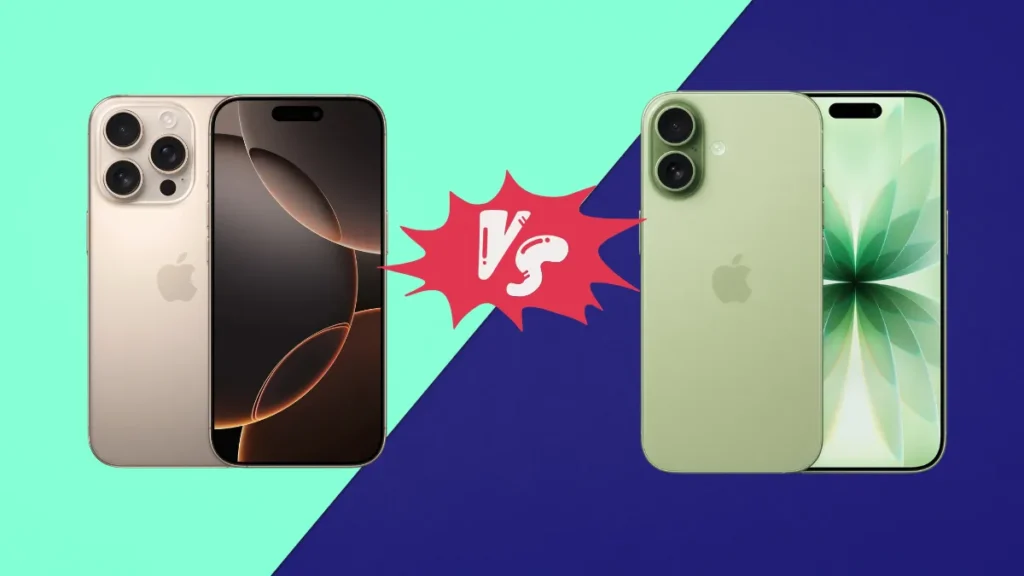
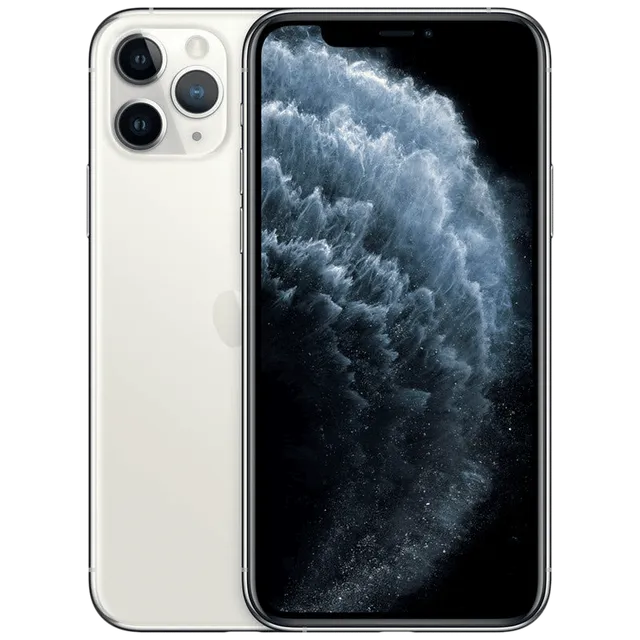
This is one area where Apple has compromised a bit and downgraded the overall build quality of the iPhone. Unlike last year’s Pro models, the company has opted for an Aluminum build this time. Another change is the triple camera setup on the back, which is now housed in a huge vertical camera island just like the Pixels.
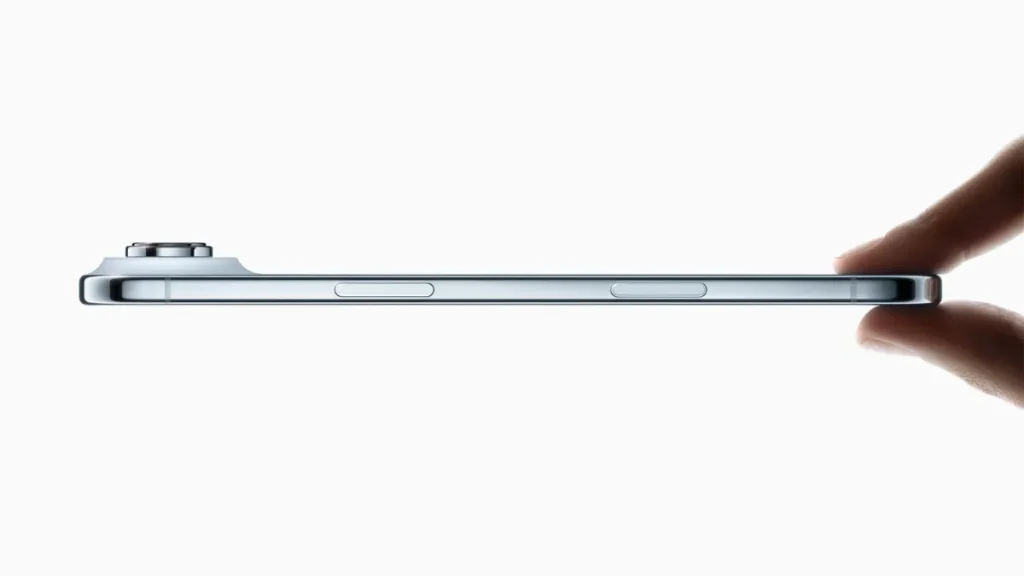
Furthermore, there is a two-tone design with a camera bump, which is slightly different than the rest of the body. Due to the increase in battery, the iPhone 17 Pro is thicker at 8.725mm. The iPhone 17 Pro is available in new orange color apart from black, gray, silver, and dark blue variants.
On the other hand, the Google Pixel 10 Pro and Pro XL have the same design as their predecessor. You get the same camera metallic camera pill on the back with dual LED flash. Ironically, Google has retained its design while the iPhones look more like a Pixel this time.
2.Display: Anti-Reflective Coating Just Like S25 Ultra

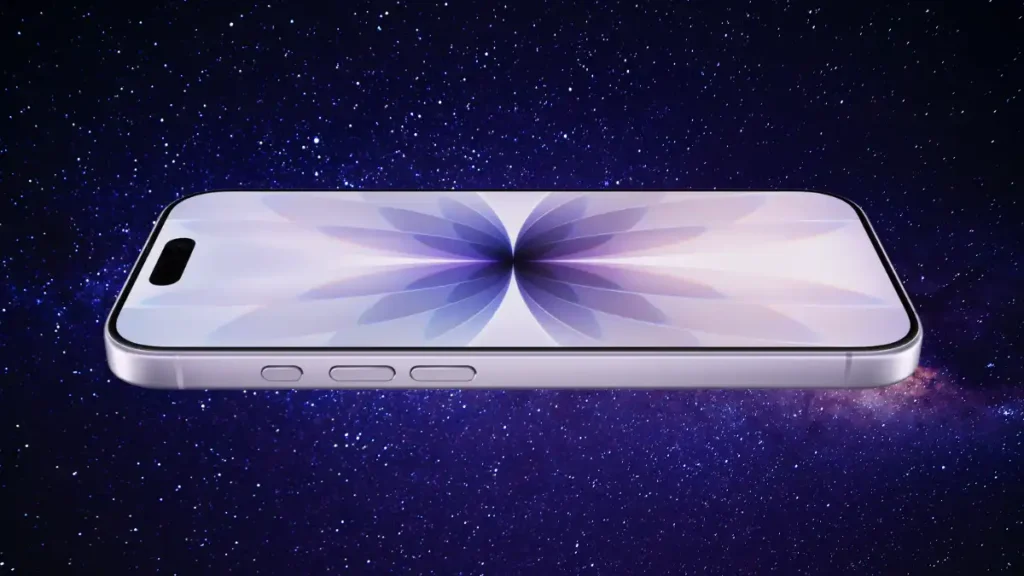
With the base iPhone 17 getting a 120Hz refresh rate, the Pro models haven’t received much of an upgrade this year. With Apple being Apple, the Pro models support Always On functionality while the base models simply don’t. Both phones have a 6.3-inch and 6.9-inch screen size, the same as last year’s Pro models.
Still, there is one feature that Apple has borrowed from the S25 Ultra is the anti-reflective coating that eliminates reflections on the screen. The company claims it is durable than the Ceramic Shield glass that it previously used. Furthermore, the overall brightness of the panels has been improved, resulting in better sunlight legibility.
On the other hand, the Pixel 10 and Pixel 10 Pro feature a 6.3-inch and 6.8-inch AMOLED panel, respectively. Both screens are also brighter than last year at 2200 nits. While there is no anti-reflective coating here, these screens are good enough for day to day use. Just like the iPhones, there’s LTPO here to dynamically adjust the refresh rate from 1Hz to 120Hz.
3.Performance: A19 Pro Beats Tensor G5

The iPhone 17 Pro and 17 Pro Max use the A19 Pro chip based on a 3nm process. Both models have 12GB RAM, up from 8GB last year. Apple has also added a vapor cooling chamber for the first time to prevent thermal throttling and ensure sustained performance. Apple claims it is the fastest CPU in any smartphone. With the Cupertino giant controlling both the software and the hardware, Apple has a clear edge over its Android rivals.
While Google has finally switched to TSMC with the Tensor G5, there are hardly any major performance gains this year. That being said, the battery efficiency and thermals have seen some great improvements. However, when it comes to benchmarks and raw power, the Tensor G5 cannot even keep up with last year’s A18 Pro.
4.Software And AI: Material 3 Expressive For The Win

iOS 26’s Liquid Glass design is a controversial topic that polarized the internet. Many people have a love-hate relationship with it, and frankly, I am not a fan of Apple’s design choices this year. Given the several iterations of Liquid Glass that we have seen so far, Apple has flip-flopped on the transparency with each beta update. While Carl Pei and Elon Musk have appreciated the new look, some of the fans have criticized the company due to the lack of readability in the UI elements. Although older iPhone models are getting the Liquid Glass treatment, constant stutters and lags have turned it into a mess.
Comparatively, Google’s Material 3 Expressive Design feels like a breath of fresh air rather than being just another Windows Vista reskin. Most Android users have appreciated the cohesive and quirky nature of Material 3 Expressive. Not only does it have a more colorful look with vibrant colors and smooth animations, but it also doesn’t bog down your phone like Liquid Glass does.
5.Cameras: Better Hardware But No AI Features

One of the biggest changes in the iPhone 17 Pro models is the cameras. Both the Pro models pack a new 48-megapixel primary camera lens with variable aperture. Apple has also updated the 12MP periscope telephoto to a 48MP one with 8x zoom. These are the first iPhones to sport a 48MP triple camera setup on the back. Other upgrades include a new 24MP front facing camera and 8K video recording support.
This is possible due to the large camera bar inspired by the Pixel series. Another new “revolutionary” feature is the ability to record videos with front and back cameras simultaneously, something that the Galaxy S4 introduced back in 2013. This will be useful for content creators
For context, the Pixel 6 Pro was the first Google phone to boast a 48MP telephoto lens back in 2021. And now with the Pixel 10, you get plenty of cool AI features like Pro Res Zoom for upto 100x, Camera Coach for taking better photos. There’s also Auto Best Take, which can automatically capture the best face shots in a group image. To add to that, there’s Conversational editing, Audio Magic Eraser, Video Boost, and Night Sight HDR. All of these AI features put the Pixel 10 Pro ahead of the new iPhone Pro models this year.
6.Battery And Charging: Similar Battery Capacities

The iPhone 17 Pro and Pro Max also pack bigger batteries than last year. The 17 Pro gets a slight increase in battery to 3988mAh, and the iPhone 17 Pro gets a 4,832mAh battery. Interestingly, the e-SIM versions of the iPhone 17 Pro and Pro Max get bigger 4,252mAh and 5,088mAh ones, respectively.
On the other hand, the Pixel 10 Pro and Pro XL sport 4,870mAh and 5,200mAh batteries, respectively. Both phones have 30W and 45W charging speeds, which are faster than the 25W limit of the iPhone models. Oh, and there’s PixelSnap magnetic wireless charging so you can even use your old iPhone accessories with it.
Pricing And Conclusion
The Apple iPhone 17 and 17 Pro Max start at Rs. 1,34,900 and Rs.1,49,000 respectively. These are the same prices as last year, so you won’t be paying more this time. With upgrades in performance, camera, and design cameras, the Pro models have a lot going for them.
On the other hand, the Pixel 10 Pro and Pixel 10 Pro XL start at Rs.. 1,09,000 and Rs.1,24,000 respectively. This makes them significantly cheaper than the Pro iPhone models. If you want usable AI features, fun software and better design, the Pixel 10 Pro series will serve you better.